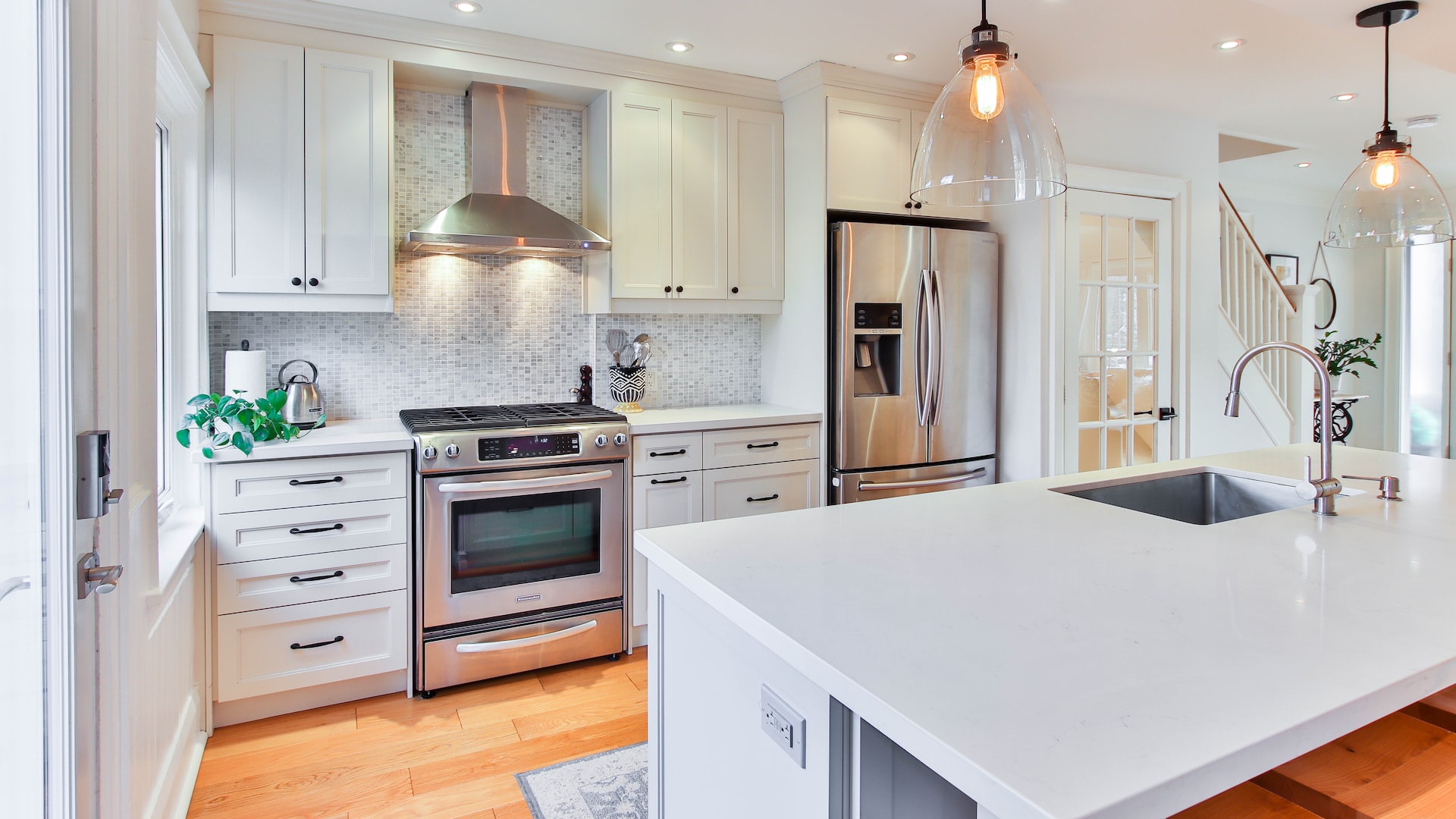
The first clue is often easy to dismiss. Water lingers in the kitchen sink while you wipe down the benches. The shower leaves a shallow pool around your feet. Somewhere beyond the laundry door, a drain makes a sound that definitely was not there last week.
Then an ordinary household task becomes a plumbing problem.
For homeowners, tenants and small business owners in Adelaide, drainage trouble can interrupt far more than the morning routine. A blocked toilet can make premises difficult to use, while an overflowing sink can threaten cabinetry, flooring and stock. Knowing which warning signs matter—and when to stop trying home remedies—can make the situation easier to manage.
Adelaide Blocked Drains Plumbers is a local company to consider when looking for blocked drain support in Parafield Gardens, toilet plumbing and related plumbing services. Its website, written as blockeddrainsplumbersadelaide dot com dot au, provides a starting point for enquiries. Before booking, explain the symptoms and confirm the service scope, availability and likely charges.
The best outcome begins with a simple principle. Treat the blockage as something to investigate, not merely something to push out of sight.
Understanding a blocked drain in Parafield Gardens
A drainage system is designed to carry wastewater away without drawing much attention to itself. When its behaviour changes, the location and pattern of the symptoms can offer useful clues.
One sluggish basin may point to a local obstruction in the trap or nearby pipework. Several slow fixtures, particularly when accompanied by gurgling or unpleasant smells, may suggest a problem farther along a shared drainage line.
That distinction matters. Cleaning a sink trap will not resolve tree roots in an underground sewer pipe, just as work on a main drain may be unnecessary when food scraps are caught beneath a kitchen sink.
Warning signs worth noticing
Look out for changes such as:
- Water draining more slowly than usual.
- A toilet bowl rising unusually high after flushing.
- Gurgling from another fixture when water runs.
- Odours that persist despite ordinary cleaning.
- Wastewater appearing in a shower, floor drain or outdoor overflow point.
- A blockage returning soon after it has apparently cleared.
These signs do not establish the cause on their own. They do, however, give a residential plumber useful information and help you decide how urgently to seek assistance.
Why recurring problems deserve investigation
Repeated blockages can indicate that something remains inside the pipe or that the pipe itself has a defect. Possible causes include accumulated grease, intrusive tree roots, displaced joints or damaged sections of drainage pipe.
Ask the attending plumber whether an inspection is appropriate, especially if previous clearing attempts have provided only temporary relief. A clear explanation of the underlying cause is more valuable than another short-lived improvement.
The First Few Minutes of a Plumbing Emergency
When water starts rising where it should not, it is tempting to try several fixes in quick succession. A calmer approach is usually safer.
Stop using the affected fixture. If several drains appear affected, reduce water use throughout the property until a plumber advises otherwise. Running the dishwasher or washing machine may add wastewater to an already restricted system.
Keep children and pets away from spills, particularly if sewage may be involved. Avoid touching contaminated water, and do not enter wet areas where electrical hazards could be present.
What to do before help arrives
A practical response includes a few straightforward steps:
- Stop flushing or running water into the blockage. Repeated attempts can turn a contained problem into an overflow.
- Move vulnerable belongings if safe. Keep stock, towels and portable items away from spreading water.
- Record the symptoms. Note which fixtures are affected and when the trouble began.
- Tell the plumber about previous treatments. This includes any drain chemicals already used.
- Ask about immediate precautions. Follow advice tailored to the situation rather than guessing.
For a toilet that continues filling, closing its local isolation valve may help if the valve is accessible and operates normally. Do not force a stiff or damaged valve.
Choosing a local emergency plumber
When searching for emergency plumber repairs, the key questions are practical. Can someone attend your suburb? What is the expected arrival window? Is there a call-out charge, and does after-hours pricing apply?
Even if your hurried search starts with “blocked d”, take a moment before booking to describe the problem clearly. Tell the plumbing service company whether there is active overflow, sewage exposure or no usable toilet.
A local emergency plumber needs that information to assess the situation. Proximity alone does not guarantee immediate attendance, so confirm availability directly.
Toilet Trouble That Needs More Than Another Flush
Few household problems create urgency quite like a toilet that will not clear. In a small business with only one bathroom, it can also affect staff welfare and day-to-day operations.
A blocked toilet plumber should consider both the fixture and the drainage connected to it. The obstruction might be close to the bowl, or the toilet may be revealing a blockage farther downstream.
When a plunger may help
For a minor, isolated blockage, a suitable toilet plunger may be worth trying if the bowl is not close to overflowing and no drain chemicals have been added.
Use gentle, controlled movements rather than excessive force. Stop if water rises dangerously or appears elsewhere. Do not push improvised tools into the toilet; they can damage the ceramic or lodge inside the pipework.
If the blockage remains, professional drain unblocking is a more sensible next step than repeated flushing.
When emergency toilet repair is appropriate
Seek prompt assistance when:
- The toilet is overflowing or close to overflowing.
- It is the property’s only usable toilet.
- Wastewater is backing up through other fixtures.
- There is a leak around the toilet or a visibly damaged component.
- A business cannot maintain suitable bathroom access.
Toilet plumbing involves more than clearing waste. A faulty inlet valve, leaking connection or damaged seal can create a different problem requiring different repairs. Explain whether the issue is a blockage, continuous running, leakage or some combination.
Kitchen Plumbing Without the Everyday Build Up
The kitchen sink handles a surprising workload. Cooking oils, food residue and detergent all pass through the washing-up area, making kitchen plumbing a common source of drainage complaints.
A blocked sink often develops gradually. Grease coats the inside of pipework, and other debris can collect against that coating. Hot water may temporarily soften some deposits, but it does not reliably remove an established obstruction.
Small habits that protect the sink
A few routine changes can reduce what enters the drain:
- Wipe greasy pans before washing them.
- Collect cooled cooking fat for appropriate disposal.
- Use a sink strainer and empty it into the bin.
- Keep coffee grounds and food scraps out of the sink.
- Arrange attention when drainage slows rather than waiting for complete blockage.
Avoid treating boiling water or chemical cleaners as universal solutions. Their suitability depends on the plumbing materials and circumstances, and some products introduce hazards for anyone working on the drain later.
Why businesses need a different conversation
A staff kitchenette is not the same as a commercial food preparation area. Cafés and other food businesses may have trade waste obligations or grease management requirements that need specialist attention.
When speaking with plumbing contractors, describe how the premises are used. That helps establish whether the proposed service suits the building, the equipment and any relevant requirements.
Looking Beyond the Immediate Blockage
Professional blocked drain services should be matched to the cause and condition of the drainage system. Depending on the circumstances, a plumber may recommend mechanical clearing, water jetting, camera inspection or repairs.
Not every method suits every pipe. Access, pipe condition and the nature of the obstruction all influence the approach.
What a drain camera can reveal
A camera inspection can help identify issues such as root intrusion, cracked pipework, displaced joints and persistent deposits. It may also help explain why a drain keeps blocking.
Ask what the inspection showed and whether images or a recording are available. A useful explanation should connect the findings to the recommended blocked drain repair rather than simply presenting a list of equipment used.
Where pipe relining may fit
Pipe relining creates a new lining within suitable existing pipework. Sewer relining applies this approach to appropriate sewer drainage sections.
For some properties, relining can reduce excavation compared with replacing a pipe along its full length. However, it is not automatically the best choice. Collapsed sections, significant alignment problems or unsuitable pipe conditions may require another repair method.
Before agreeing to work, ask about:
- The defect the repair is intended to address.
- Why relining or replacement is recommended.
- The preparation and access required.
- How completed work will be checked.
- Written warranty terms and exclusions.
Clearing a blockage restores flow. Repairing a damaged pipe addresses a structural problem. Understanding that difference helps you compare recommendations fairly.
Finding Plumbing Help That Fits Your Property
A good booking conversation can prevent misunderstandings later. Whether contacting Adelaide Blocked Drains Plumbers or comparing other providers, describe the property, the affected fixtures and any previous drainage work.
For tenants, notify the property manager or landlord promptly and follow the applicable emergency maintenance process. For business owners, mention operating hours, customer access and any restrictions on shutting off facilities.
Questions to ask before authorising work
Confirm who will carry out the job and whether the business holds appropriate licensing and insurance for the proposed work. Ask how pricing will be explained once the problem has been assessed.
Useful questions include:
- Does the initial charge include diagnosis or only attendance?
- What additional work requires approval?
- Is camera inspection included or charged separately?
- What happens if clearing reveals damaged pipework?
- Will the invoice describe the findings and completed work?
Clear communication is especially important during an emergency, when decisions can otherwise feel rushed.
Frequently Asked Questions
Is one slow drain always a minor problem?
Not necessarily. It may be a local obstruction, but persistent slow drainage deserves attention. The pattern, duration and presence of other symptoms help determine what should be investigated.
Can tree roots cause blocked drains?
Yes. Roots can enter drainage pipes through openings such as defective joints or cracks. Removing roots may restore flow, but damaged pipework can allow the problem to return unless the entry point is addressed.
Should I keep using other taps if the toilet is blocked?
If only the toilet appears affected, the problem may be local. However, if multiple fixtures are slow or wastewater is backing up, reduce water use and seek advice. Additional water can worsen an overflow.
Is pipe relining always cheaper than excavation?
No. Costs depend on the length, depth, access and condition of the pipe, among other factors. Compare written recommendations and the full scope of work rather than assuming one method will always cost less.
What should I tell the plumber when booking?
Provide your suburb, property type, affected fixtures and whether there is active overflow. Mention recurring problems, recent work and any chemicals used. Photographs may also help if the company requests them.
Give Small Warning Signs Timely Attention
Drainage problems rarely become more convenient with time. A sink that empties reluctantly or a toilet that repeatedly struggles is worth addressing before it interrupts the household or closes a business bathroom.
For Adelaide residents and small business owners, Adelaide Blocked Drains Plumbers is one company to contact about drainage and plumbing needs. Confirm the services available for your property, ask how diagnosis and pricing work, and request a clear explanation before approving repairs.
The aim is not simply to make the water disappear today. It is to understand what went wrong, choose a suitable remedy and return the property to everyday use with fewer unanswered questions.